
KEYTRUDA® is indicated for the treatment of patients with unresectable or metastatic MSI-H or dMMR colorectal cancer (CRC) as determined by a validated test.1
1L: first line; CRC: colorectal cancer; d-MMR: deficient DNA mismatch repair; MSI-H: high microsatellite instability.

The KEYNOTE-177 study

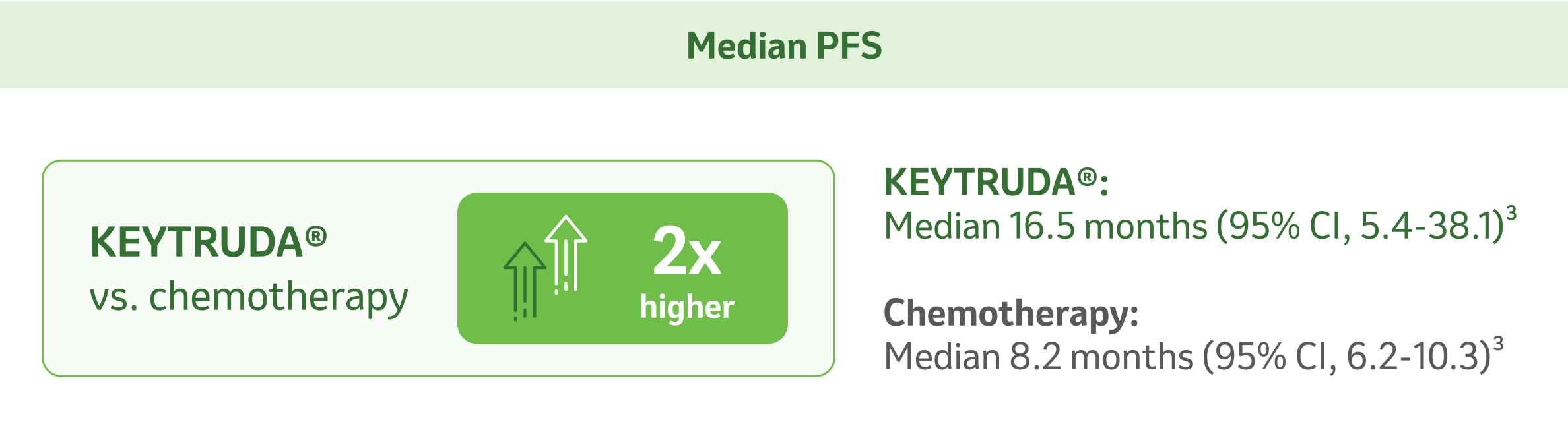
KEYTRUDA® doubled the median PFS compared to chemotherapy.1-3
The trial demonstrated a statistically significant improvement in PFS for patients randomized to KEYTRUDA® compared with chemotherapy at an interim analysis (HR: 0.60; 95% CI; 0.45-0.80; p=0.0004).1
CI: confidence interval; HR: hazard ratio; PFS: progression-free survival.
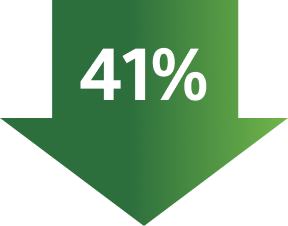
reduction in the risk of disease progression or death with KEYTRUDA® vs. chemotherapy2
HR=0.59a (95% CI, 0.45–0.79)b,2
Median follow-up time was 44.5 months (IQR: 39.7–49.8 months)

Events observed: There were a total of 203 PFS events (n=86 for KEYTRUDA® and n=117 for chemotherapy).2
aBased on Cox regression model.
bAt the time of the protocol-specified final analysis.
CI: confidence interval; HR: hazard ratio; IQR: interquartile range; PFS: progression-free survival.
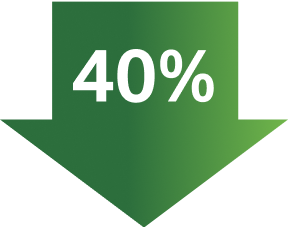
reduction in the risk of disease progression or death with KEYTRUDA® vs. chemotherapy3
HR=0.60a (95% CI, 0.45–0.79)3
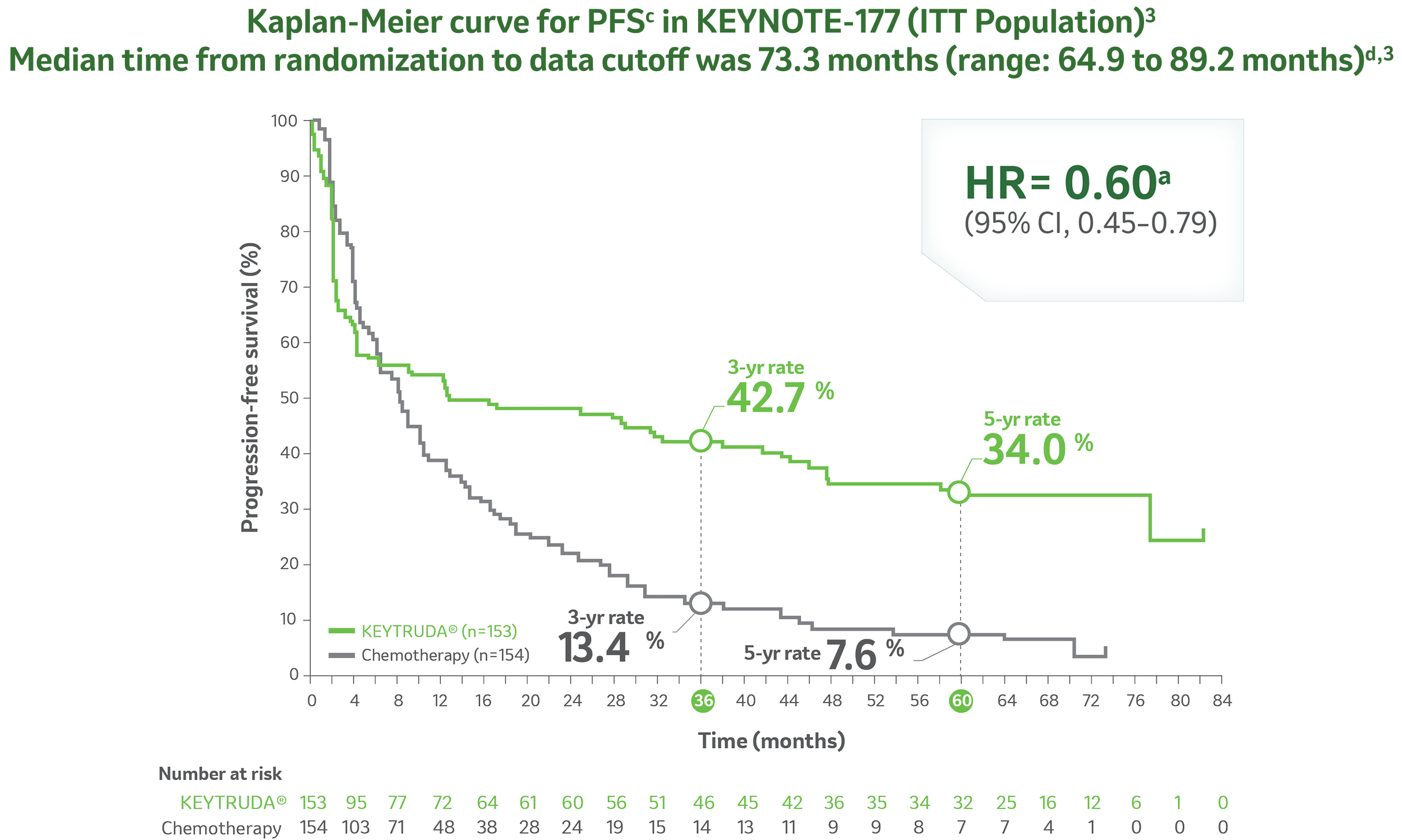

Events observed: 61.4% (94/153) with KEYTRUDA® vs. 79.2% (122/154) with chemotherapy.3
LIMITATIONS: The 5-year extension of KEYNOTE-177 was a post hoc, exploratory analysis. No formal hypothesis testing was done for this exploratory 5-year analysis.3
aBased on Cox regression model.
cPFS was assessed per RECIST v1.1 by BICR.
dData cutoff date: July 17, 2023.
BICR: Blinded Independent Central Review; CI: confidence interval; HR: hazard ratio; ITT: intention-to-treat; PFS: progression-free survival; RECIST: Response Evaluation Criteria in Solid Tumors; yr: year.
Superiority of KEYTRUDA® vs. chemotherapy for OS was not demonstrated in the final analysis, as the prespecified α of 0.0246 needed for statistical significance was not achieved (HR:0.74; 95% CI; 0.53-1.03; p=0.0359).2

reduction in the risk of death with KEYTRUDA® vs. chemotherapy3
HR=0.73a (95% CI, 0.53–0.99)3
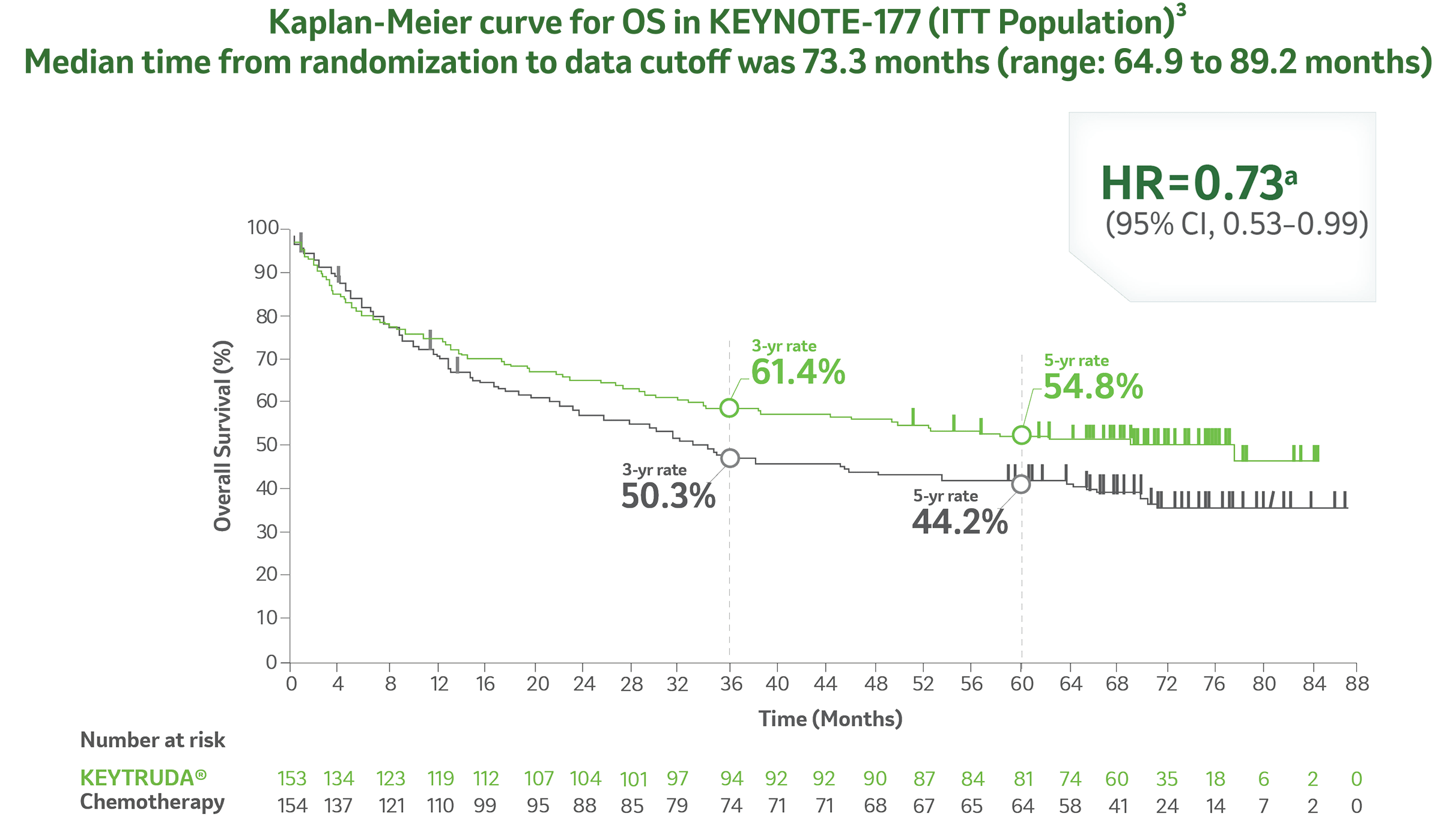
Events observed: 47.1% (72/153) with KEYTRUDA® vs. 58.4% (90/154) with chemotherapy.3
LIMITATIONS: The 5-year extension of KEYNOTE-177 was a post hoc, exploratory analysis. No formal hypothesis testing was done for this exploratory 5-year analysis.3
aBased on Cox regression model.
CI: confidence interval; HR: hazard ratio; ITT: intention-to-treat; OS: overall survival.

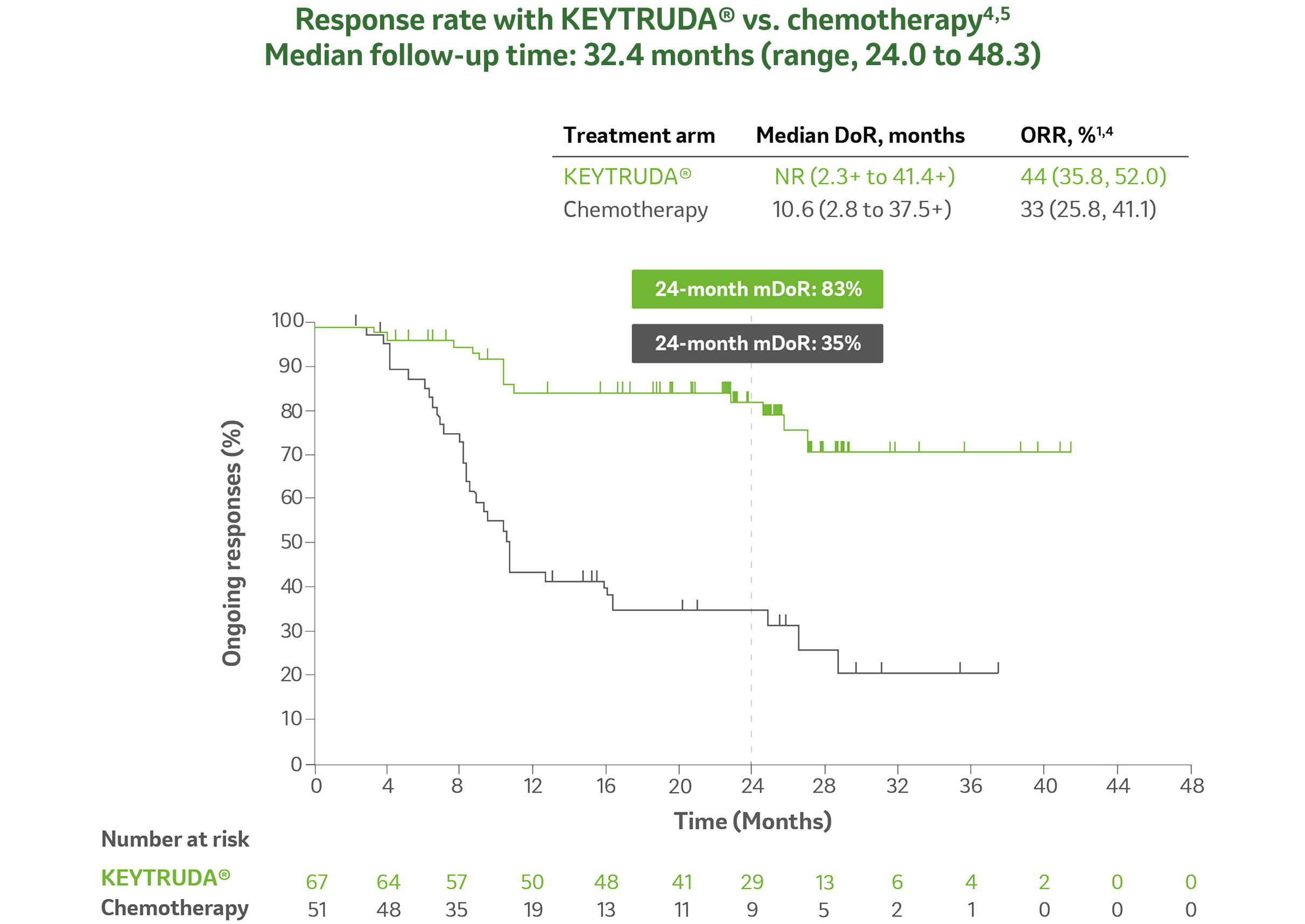

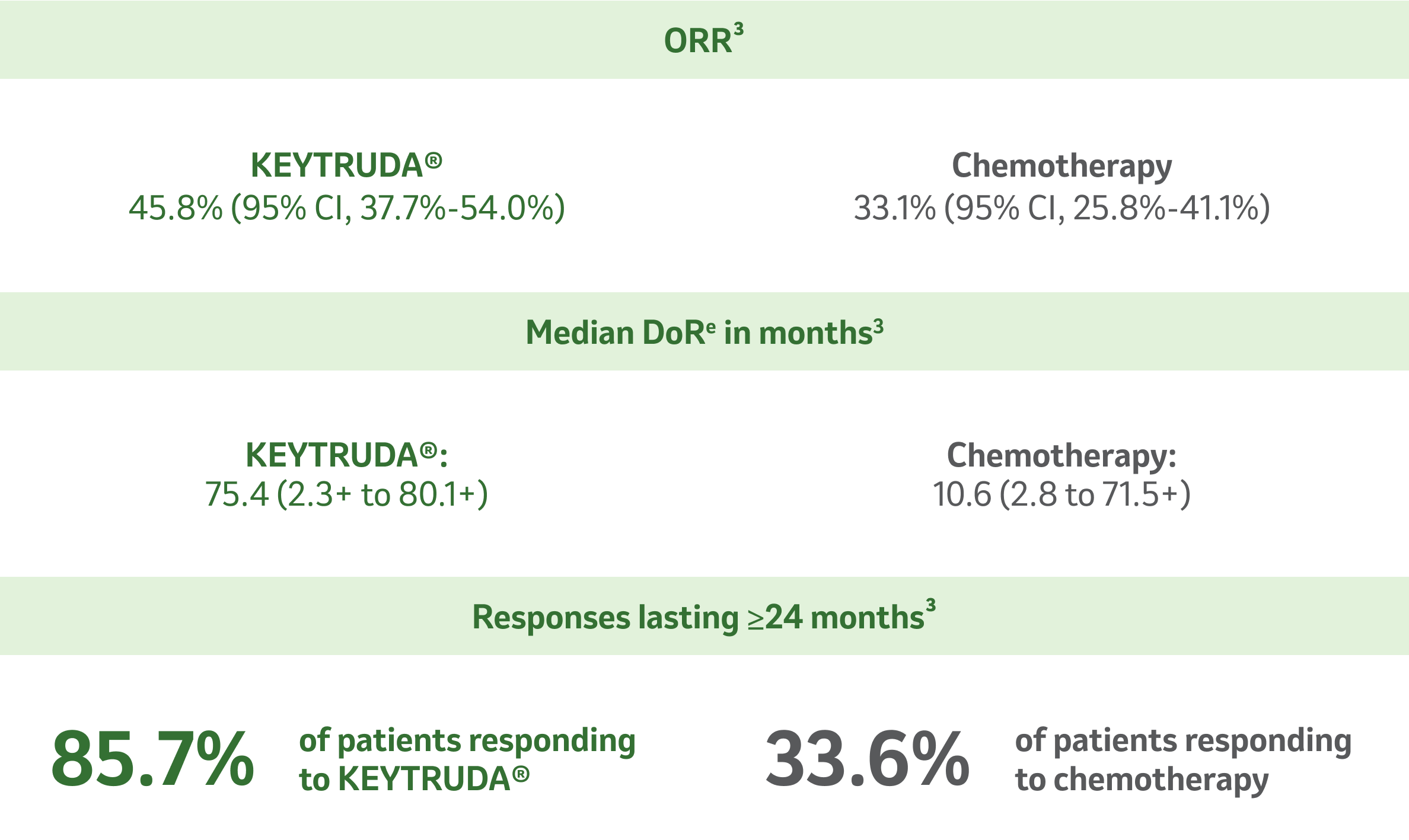
LIMITATIONS: The 5-year extension of KEYNOTE-177 was a post hoc, exploratory analysis. No formal hypothesis testing was done for this exploratory 5-year analysis.3
eDoR was assessed per RECIST v1.1 by BICR.
+ indicates ongoing response.
BICR: Blinded Independent Central Review; CI: confidence interval; DoR: duration of response; HR: hazard ratio; mDoR: median duration of response; RECIST: Response Evaluation Criteria in Solid Tumors.
Study design: A multicenter, randomized, open-label, active-controlled phase III trail. Patients were randomized (1:1) to receive KEYTRUDA® 200 mg IV Q3W or the investigator’s choice of the following chemotherapy regimens given IV Q2W:1
-
mFOLFOX6 ± bevacizumab or cetuximab:
Oxaliplatin 85 mg/m2, leucovorin 400 mg/m2 (or levoleucovorin 200 mg/m2), and FU 400 mg/m2 bolus on Day 1, then FU 2400 mg/m2 over 46-48 hours.
Bevacizumab 5 mg/kg on Day 1 or cetuximab 400 mg/m2 on first infusion, then 250 mg/m2 weekly. -
FOLFIRI ± bevacizumab or cetuximab:
Irinotecan 180 mg/m2, leucovorin 400 mg/m2 (or levoleucovorin 200 mg/m2), and FU 400 mg/m2 bolus on Day 1, then FU 2400 mg/m2 over 46-48 hours. Bevacizumab 5 mg/kg on Day 1 or cetuximab 400 mg/m2 on first infusion, then 250 mg/m2 weekly.
Treatment with KEYTRUDA® or chemotherapy continued until RECIST v1.1-defined progression of disease as determined by the investigator or unacceptable toxicity. Patients treated with KEYTRUDA® without disease progression could be treated for up to 24 months. Assessment of tumour status was performed every 9 weeks.1 Patients randomized to chemotherapy were offered KEYTRUDA® at the time of disease progression.
Primary endpoint: PFS (assessed by BICR per RECIST v1.1) and OS.1
Secondary endpoint: ORR and DOR.1
Inclusion criteria: Patients with previously untreated unresectable or metastatic MSI-H or dMMR CRC.1
Exclusion criteria: Patients with autoimmune disease or a medical condition that required immunosuppression were ineligible.1
Results: The trial demonstrated a statistically significant improvement in PFS for patients randomized to KEYTRUDA® compared with chemotherapy. There was no statistically significant difference between KEYTRUDA® and chemotherapy in the final OS analysis. Sixty percent of the patients who had been randomized to receive chemotherapy had crossed over to receive subsequent anti-PD-1/PD-L1 therapies including KEYTRUDA®. The median follow-up time at the final analysis was 38.1 months (range: 0.2 to 58.7 months).1
BICR: Blinded Independent Central Review; CRC: colorectal cancer; d-MMR: deficient DNA mismatch repair; DOR: duration of response; FU: fluorouracil; IV: intravenous; MSI-H: high microsatellite instability; ORR: objective response rate; OS: overall survival; PD-1: programmed death 1; PD-L1: programmed death ligand 1; PFS: progression-free survival; Q2W: every 2 weeks; Q3W: every 3 weeks; RECIST: Response Evaluation Criteria in Solid Tumors.
KEYTRUDA® monotherapy could transform the patient infusion experience1
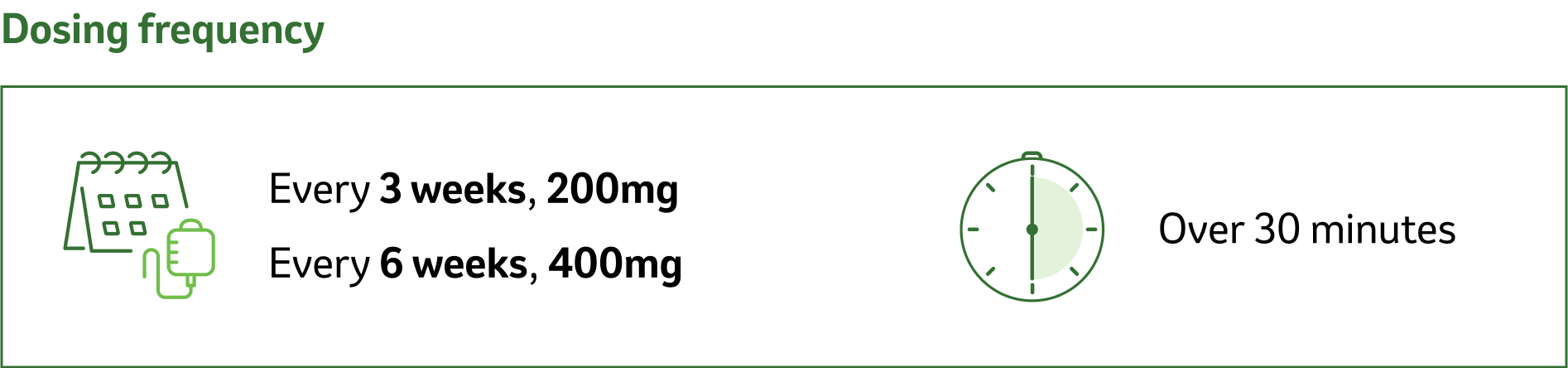
Dosing flexibility with KEYTRUDA® monotherapy1

Flexibility
of Q3W or Q6W dosing across monotherapy indications1

Up to
8 fewer infusions
per year with Q6W1
Patients should be treated with KEYTRUDA® until disease progression, unacceptable toxicity or up to 24 months.1
Q3W: every 3 weeks; Q6W: every 6 weeks.
Eligible KEYTRUDA® patients can be identified through MSI/MMR testing1
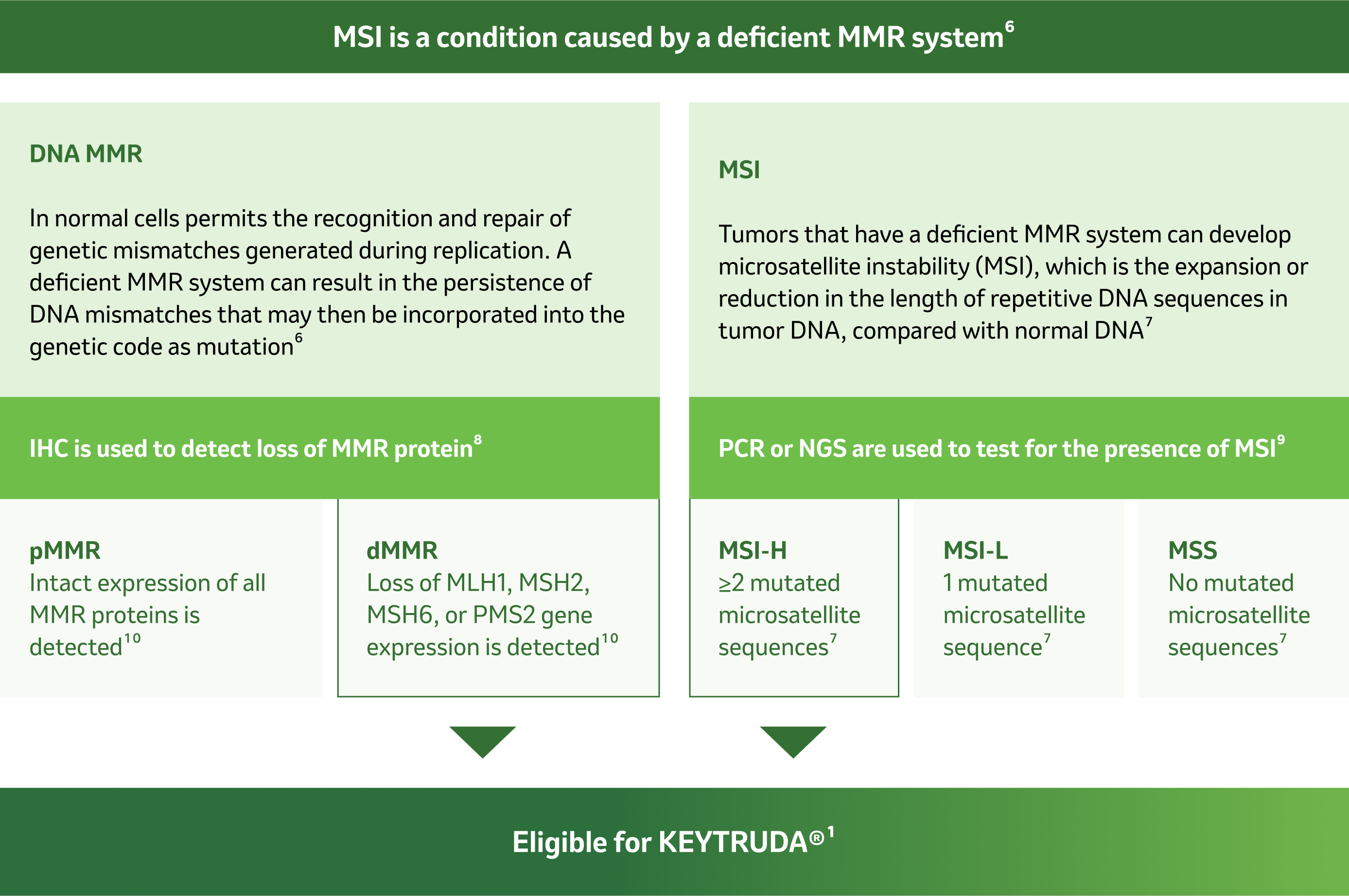
LIMITATIONS: In the KEYNOTE-177 trial, MSI or MMR status of patients with advanced CRC was determined locally by PCR or IHC test, respectively.1
DNA: desoxyribonucleic acid; d-MMR: deficient MMR; IHC: immunohistochemistry; MLH1: MutL homologue 1; MLH2: MutL homologue 2; MLH6: MutL homologue 6; MMR: mismatch repair; MSH2: MutS homologue 2; MSI: microsatellite instability; MSI-H: microsatellite instability-high; MSI-L: microsatellite instability-low; MSS: microsatellite stable; PCR: polymerase chain reaction; pMMR: proficient mismatch repair; PMS2: postmeiotic segregation 2.
KEYTRUDA® (Pembrolizumab) Selected Safety Information (SSI)
Selected Indication: Treatment of patients with unresectable or metastatic Microsatellite Instability-High (MSI-H) or Mismatch Repair Deficient (dMMR) colorectal cancer (CRC) as determined by a validated test.
Dosage & Administration: KEYTRUDA® is administered over 30 minutes by intravenous infusion.
Monotherapy: Adult patients with MSI-H or dMMR CRC is 200 mg every 3 weeks or 400 mg every 6 weeks, until disease progression or unacceptable toxicity, or up to 24 months.
Contraindications: None
Precautions/Warnings: KEYTRUDA® can cause severe and fatal immune-mediated adverse reactions as immune-mediated pneumonitis, immune-mediated colitis, hepatotoxicity and immune-mediated hepatitis, immune-mediated nephritis with renal dysfunction, immunemediated endocrinopathies (as adrenal insufficiency, hypophysitis, hyperthyroidism, hypothyroidism, thyroiditis & type 1 diabetes mellitus) & immune-mediated dermatologic adverse reactions. KEYTRUDA® can cause other immune-mediated adverse reactions as: myocarditis, pericarditis, vasculitis, meningitis, encephalitis, myelitis and demyelination, myasthenic syndrome/myasthenia gravis (including exacerbation), Guillain-Barré syndrome, nerve paresis, autoimmune neuropathy, pancreatitis, to include increases in serum amylase and lipase levels, gastritis, duodenitis, hypoparathyroidism, myositis/polymyositis, rhabdomyolysis (and associated sequelae, including renal failure), arthritis (1.5%), polymyalgia rheumatica, hemolytic anemia, aplastic anemia, hemophagocytic lymphohistiocytosis, systemic inflammatory response syndrome, histiocytic necrotizing lymphadenitis (Kikuchi lymphadenitis), sarcoidosis, immune thrombocytopenic purpura, solid organ transplant rejection, other transplant (including corneal graft) rejection, uveitis, iritis and other ocular inflammatory toxicities can occur. some cases can be associated with retinal detachment. Various grades of visual impairment, including blindness, can occur. If uveitis occurs in combination with other immune-mediated adverse reactions, consider a Vogt-Koyanagi-Harada-like syndrome, as this may require treatment with systemic steroids to reduce the risk of permanent vision loss. KEYTRUDA® can cause severe or life-threatening infusion-related reactions, including hypersensitivity and anaphylaxis. KEYTRUDA® can cause complications of Allogeneic HSCT. Increased mortality in patients with multiple myeloma when KEYTRUDA® is added to a thalidomide analogue and dexamethasone. KEYTRUDA® can cause fetal harm when administered to a pregnant woman.
Adverse Reactions: Most common adverse reactions (reported in ≥20% of patients) were:
- KEYTRUDA® as a single agent: fatigue, musculoskeletal pain, rash, diarrhea, pyrexia, cough, decreased appetite, pruritus, dyspnea, constipation, pain, abdominal pain, nausea, and hypothyroidism.
Please refer to the full prescribing information of KEYTRUDA® for more information.
CRC: colorectal cancer; d-MMR: deficient DNA mismatch repair; HSCT: hematopoietic stem cell transplantation; MSI-H: high microsatellite instability.


Expert discussion: 6+ years of TNBC survival data
In an exclusive interview, Prof. Schmid reveals the significant survival outcomes from the 7th interim analysis of the KEYNOTE-522 study.

See how we are growing hope in kidney cancer
At MSD, fighting kidney cancer is more than building a portfolio — it’s a commitment to therapeutic innovation, enhancing care, expanding possibilities and bringing hope to more patients.

Identify patients for adjuvant or neoadjuvant therapy
If eligible, patients with early-stage NSCLC now have expanded treatment possibilities with the recent approvals of KEYTRUDA® for adjuvant (KEYNOTE-091) and neoadjuvant (KEYNOTE-671) therapy.
References:
1. KEYTRUDA®. Prescribing Information. 2. Diaz LA, Jr., Shiu KK, Kim TW, et al. Pembrolizumab versus chemotherapy for microsatellite instability-high or mismatch repair-deficient metastatic colorectal cancer (KEYNOTE-177): final analysis of a randomized, open-label, phase 3 study. Lancet Oncol. 2022;23(5):659-70. 3. André T, Shiu KK, Kim TW, et al. Pembrolizumab versus chemotherapy in microsatellite instability-high or mismatch repair-deficient metastatic colorectal cancer: 5-year follow-up from the randomized phase 3 KEYNOTE-177 study. Ann Oncol. 2024. 4. André T, Shiu KK, Kim TW, et al. Pembrolizumab in microsatellite-instability-high advanced colorectal cancer. N Engl J Med. 2020;383(23):2207-18. 5. André T, Shiu KK, Kim TW, et al. Pembrolizumab in microsatellite-instability-high advanced colorectal cancer. Supplementary appendix. N Engl J Med. 2020;383(23):2207-18. 6. Boland CR, Goel A. Microsatellite instability in colorectal cancer. Gastroenterology. 2010;138(6):2073-87.e3. 7. Boland CR, Thibodeau SN, Hamilton SR, et al. A National Cancer Institute Workshop on Microsatellite Instability for Cancer Detection and Familial Predisposition: development of international criteria for the determination of microsatellite instability in colorectal cancer. Cancer Res. 1998;58(22):5248-57. 8. Kheirelseid EA, Miller N, Chang KH, et al. Mismatch repair protein expression in colorectal cancer. J Gastrointest Oncol. 2013;4(4):397-408. 9. Salipante SJ, Scroggins SM, Hampel HL, et al. Microsatellite instability detection by next generation sequencing. Clin Chem. 2014;60(9):1192-9. 10. Vilar E, Gruber SB. Microsatellite instability in colorectal cancer-the stable evidence. Nat Rev Clin Oncol. 2010;7(3):153-62.
AE-KEY-00859 I Expiry date: 28-02-2027