
Gastric or GEJ adenocarcinoma:1
KEYTRUDA®, in combination with trastuzumab, fluoropyrimidine and platinum-containing chemotherapy, is indicated for the first-line treatment of locally advanced unresectable or metastatic HER2-positive gastric or GEJ adenocarcinoma in adults whose tumours express PD-L1 with a CPS ≥1 as determined by a validated test.
KEYTRUDA®, in combination with fluoropyrimidine and platinum-containing chemotherapy, is indicated for the first-line treatment of adults with locally advanced unresectable or metastatic HER2-negative gastric or GEJ adenocarcinoma in adults whose tumors express PD-L1 with a CPS ≥1 as determined by a validated test.
Microsatellite Instability-High or Mismatch Repair Deficient Cancer:1
KEYTRUDA® is indicated for the treatment of adult and pediatric patients with unresectable or metastatic microsatellite instability-high (MSI-H) or mismatch repair deficient (dMMR) solid tumors, as determined by a validated test, that have progressed following prior treatment and who have no satisfactory alternative treatment options.
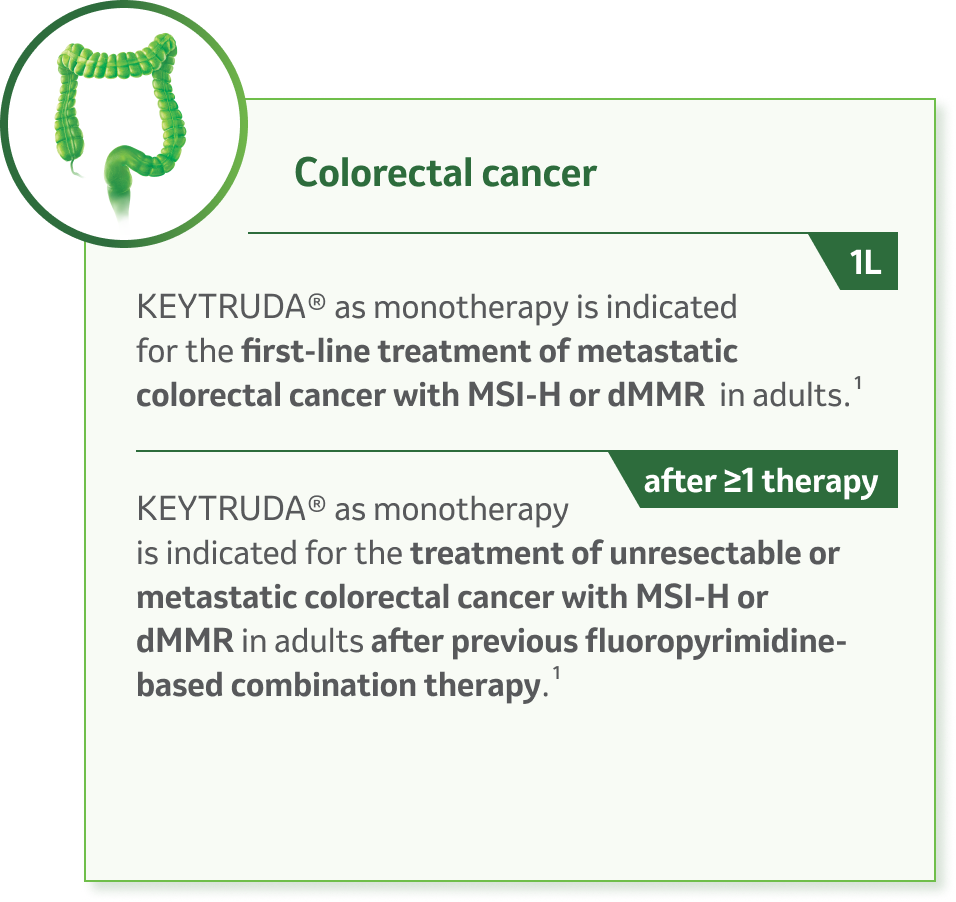
Microsatellite Instability-High or Mismatch Repair Deficient Colorectal Cancer:1
KEYTRUDA® is indicated for the treatment of patients with unresectable or metastatic MSI-H or dMMR colorectal cancer (CRC) as determined by a validated test.
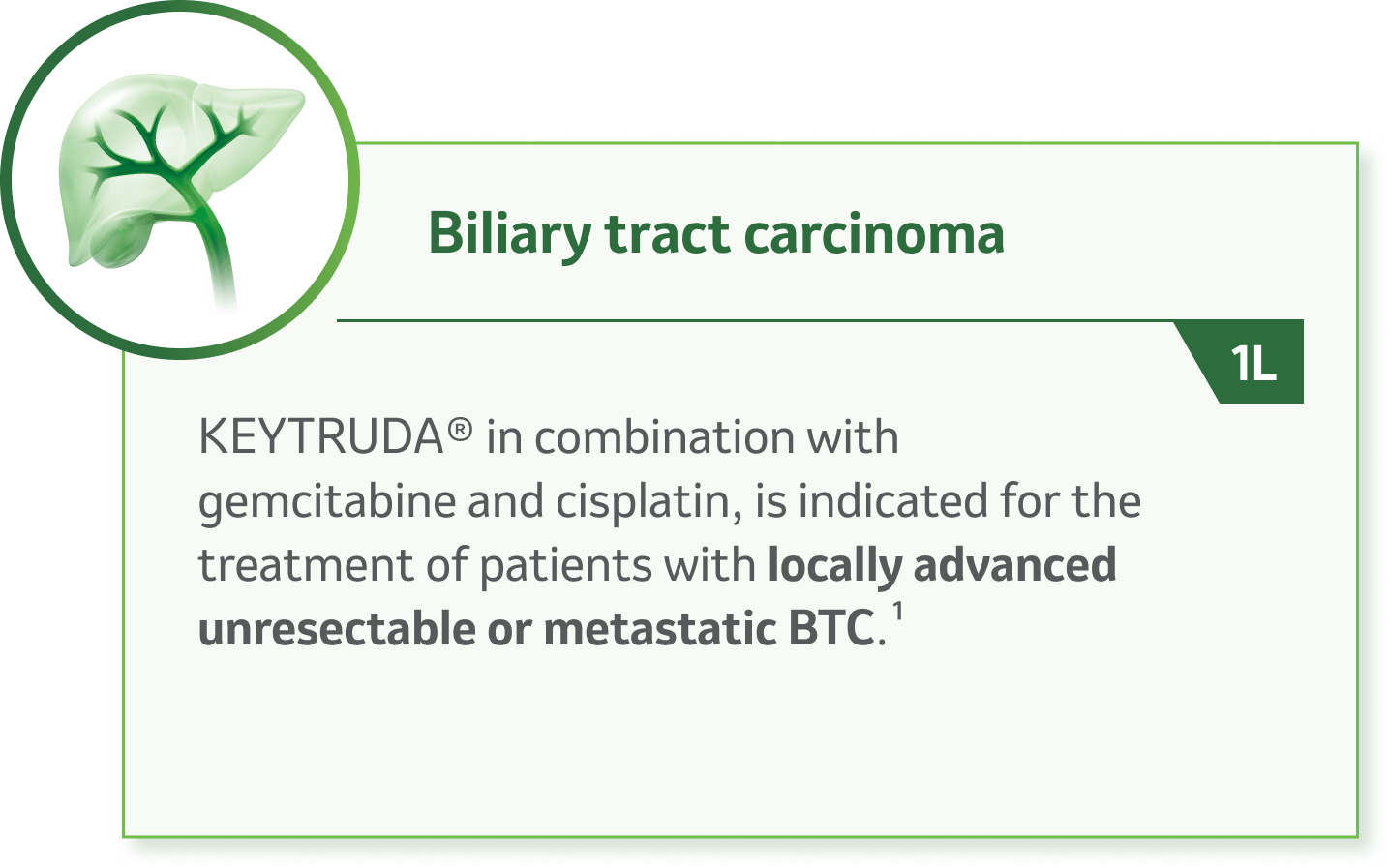
Biliary tract carcinoma:¹
KEYTRUDA®, in combination with gemcitabine and cisplatin, is indicated for the treatment of patients with locally advanced unresectable or metastatic biliary tract carcinoma (BTC).
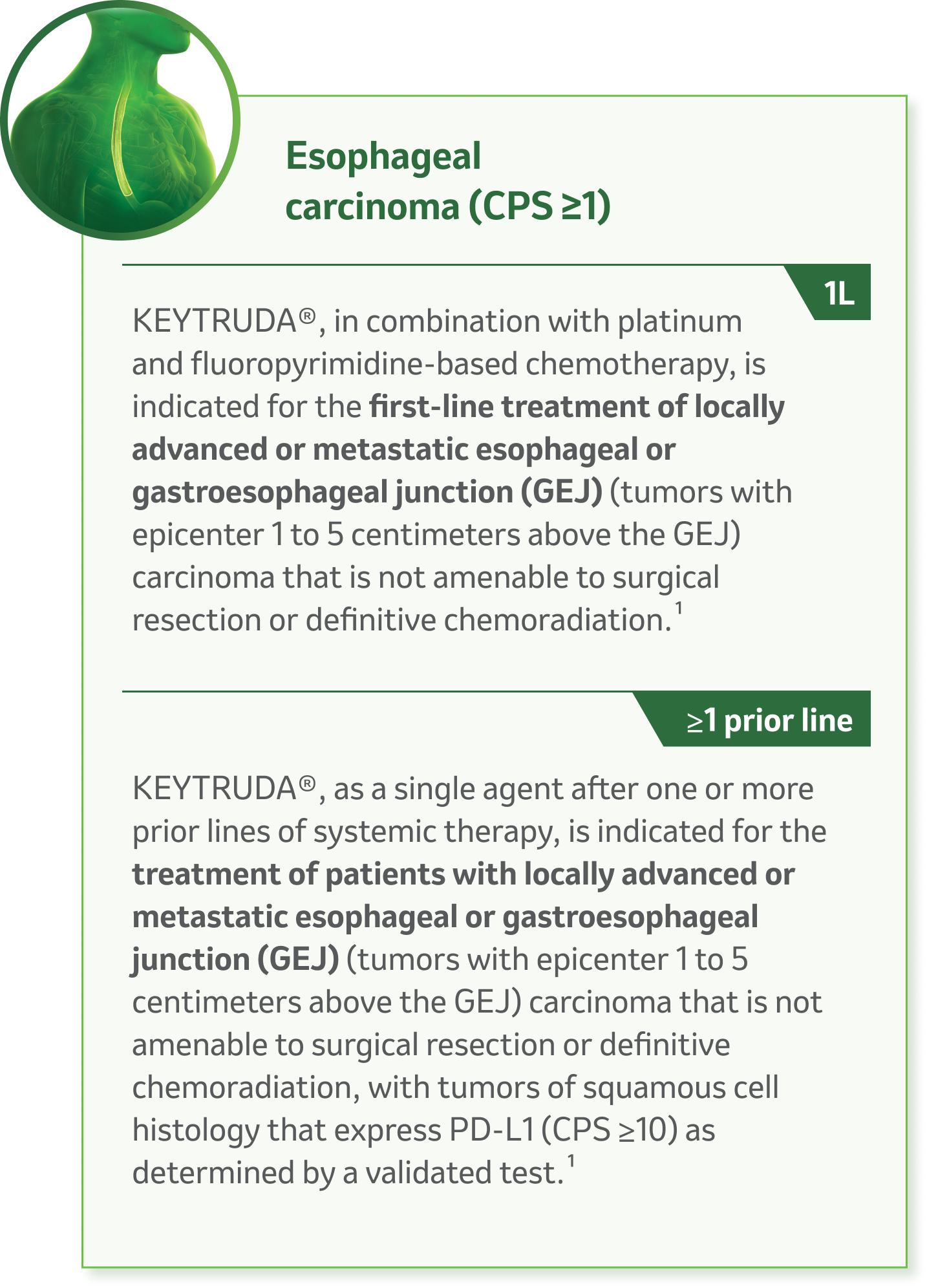
Esophageal carcinoma:¹
KEYTRUDA®, is indicated for the treatment of patients with locally advanced or metastatic esophageal or gastroesophageal junction (GEJ) (tumors with epicenter 1 to 5 centimeters above the GEJ) carcinoma that is not amenable to surgical resection or definitive chemoradiation either:
- in combination with platinum- and fluoropyrimidine-based chemotherapy for patients with tumors that express PD-L1 (CPS ≥ 1), or
- as a single agent after one or more prior lines of systemic therapy for patients with tumors of squamous cell histology that express PD-L1 (CPS ≥10) as determined by a validated test.

Patients with GI tumors account for more than 20% of all cancer
patientsa,2,3
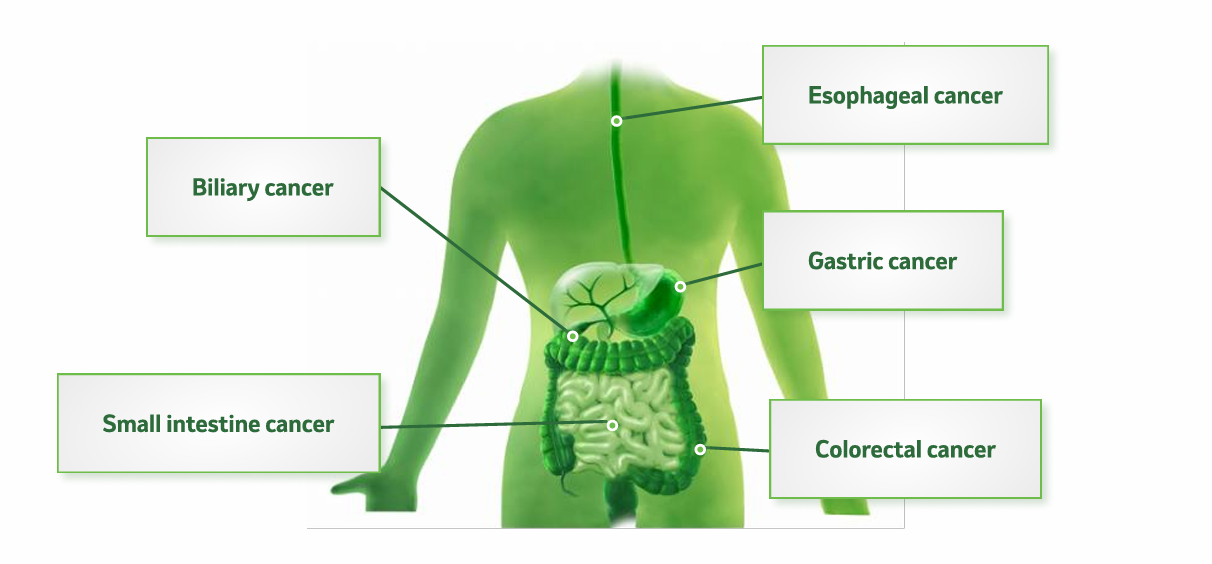
aAccording to the GLOBOCAN 2022, the combined incidence of 21.4% includes colorectal, stomach, esophageal, and liver and intrahepatic bile duct cancers (it does not include small intestine cancer incidence): colorectal cancer 9.6% (1,926,425 cases), stomach cancer 4.8% (968,784 cases), esophageal cancer 2.6% (511,054 cases), liver and intrahepatic bile duct cancers 4.34% (866,136 cases).2,3 Global cancer statistics, incidence (GLOBOCAN 2020): small intestine cancer 64,477.4

Vulnerable patient populations can face an extra travel burden associated with the centralization of GI cancer careb,5,6

bIn lieu of readily identifiable data from Saudi Arabia, the information presented here represents study data from the Netherlands. Exercise discretion when extrapolating this information to other regions.
Lessen the burden of GI cancer treatment for your appropriate
patients: consider the flexibility of less frequent dosing1,7
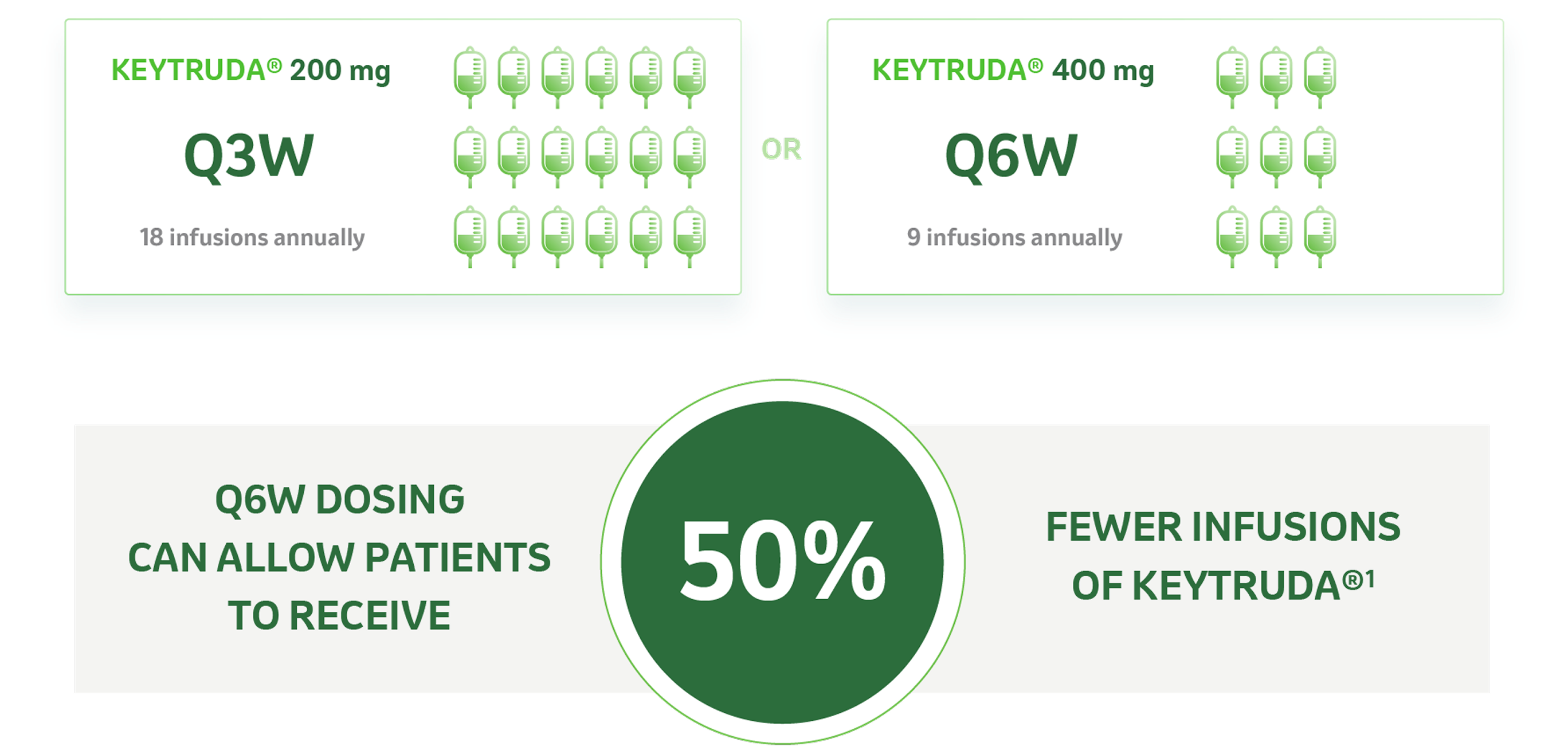
From Q3W to Q6W dosingc,1
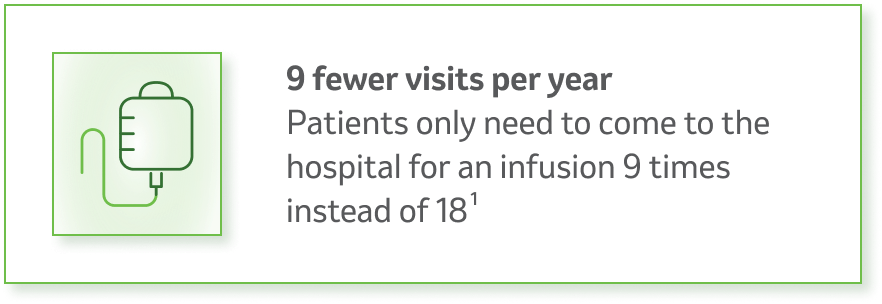
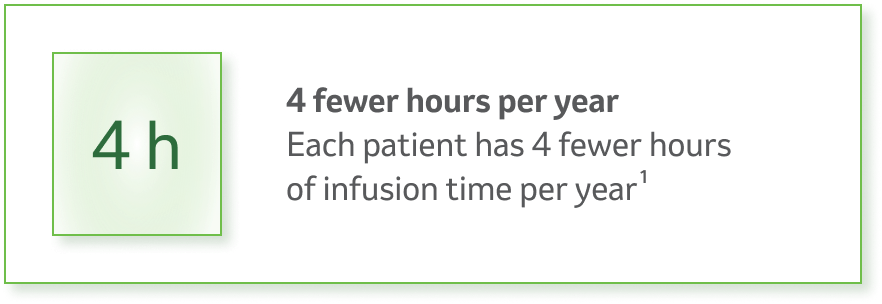

Consider KEYTRUDA® Q6W dosing as part of your strategy to manage the GI cancer care–associated treatment burden for your eligible patients.1,7
cThe indicated figures are derived from the dosing regimen specified in the summary of product characteristics.1 It is important to note that the number of hospital visits may vary depending on the hospital, the specific tumor type, the patient’s or doctor’s preferences, or other considerations.
KEYTRUDA® is approved to treat 5 types of advanced GI1
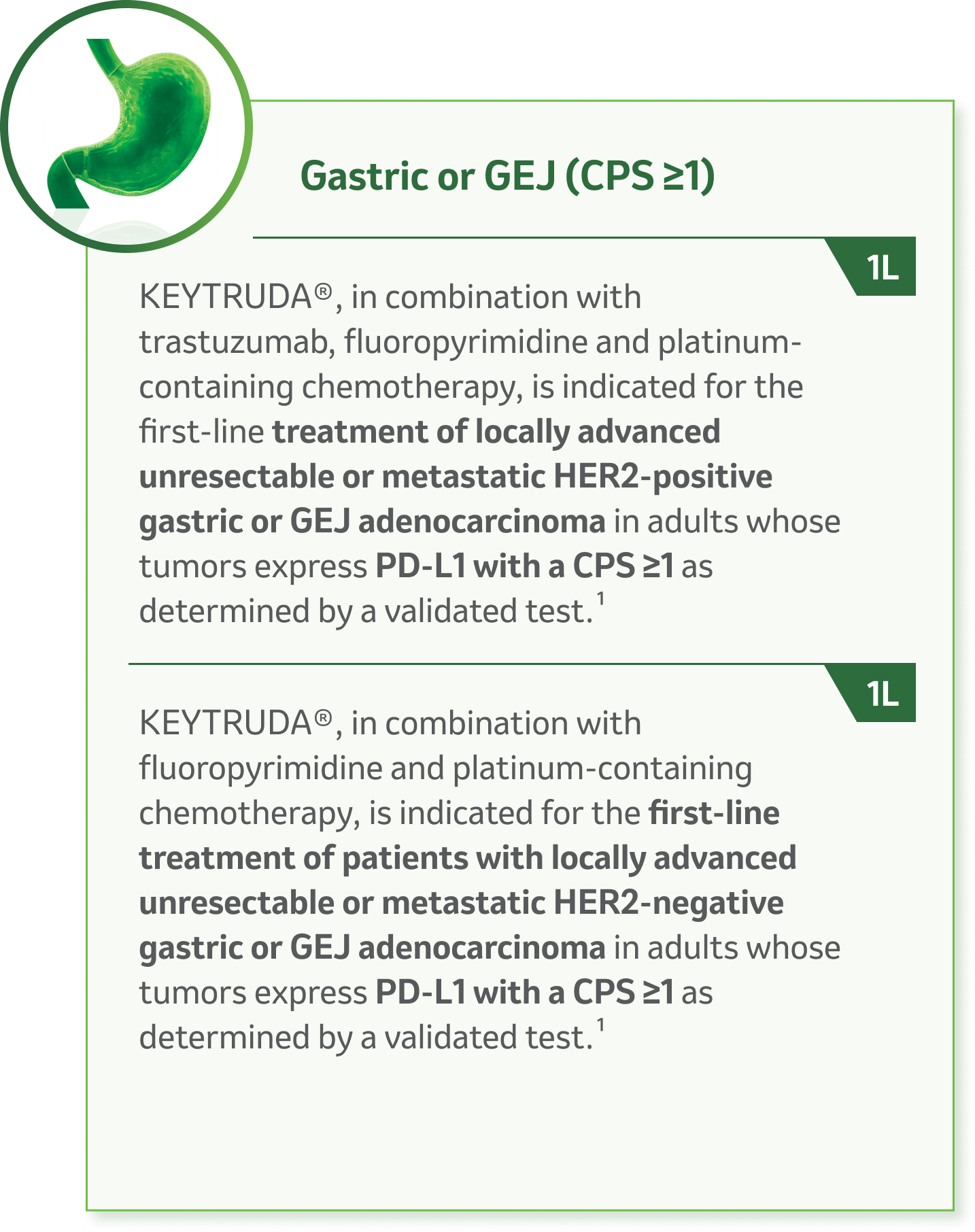
Embrace the flexibility of KEYTRUDA® with two dosing schedule options for your patientsd,1
The recommended dose of KEYTRUDA® in adults is either 200 mg every 3 weeks or 400 mg every 6 weeks, administered as an intravenous infusion over 30 minutes.d,1
dKEYTRUDA® treatment should be continued until disease progression or unacceptable toxicity.1
BTC: biliary tract carcinoma; CPS: combined positive score; CRC: colorectal cancer; dMMR: mismatch repair deficient; GEJ: gastroesophageal junction; GI: gastrointestinal; HER2: human epidermal growth factor receptor 2; MSI-H: microsatellite instability high; PD-L1: programmed death ligand 1; Q3W: every 3 weeks; Q6W: every 6 weeks; SES: socioeconomic status.
Customize KEYTRUDA® dosing to align with chemotherapy schedules used in certain upper GI cancers1,8-12
GI: gastrointestinal.

Possible chemotherapy backbones for locally advanced unresectable or metastatic gastric or GEJ adenocarcinoma with PD-L1 CPS ≥1 in combination with KEYTRUDA® (and trastuzumab if applicable)e,1,9,11,12
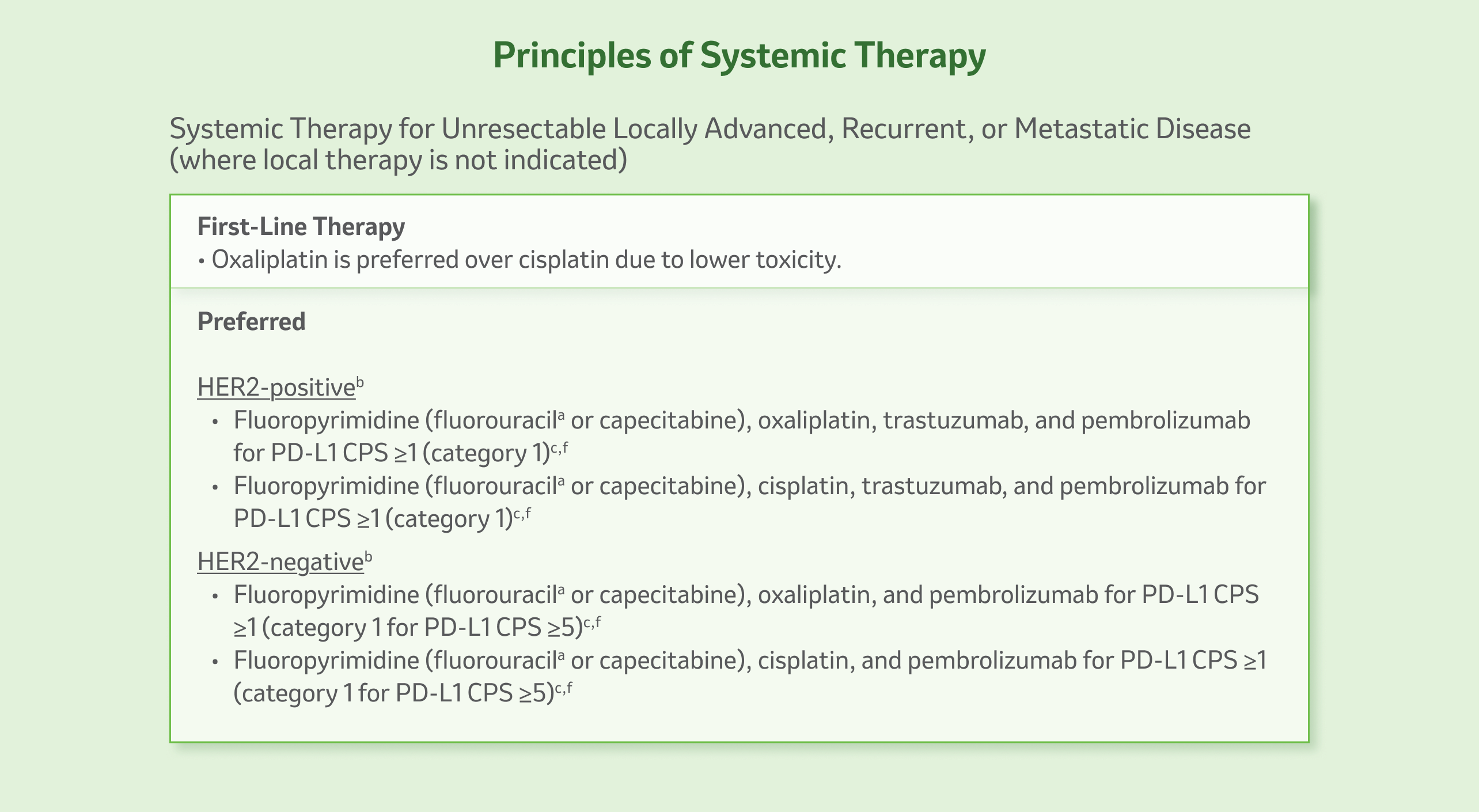
aLeucovorin is indicated with certain fluorouracil-based regimens. Depending on availability, these regimens may be used with or without leucovorin. For important information regarding the leucovorin shortage, please see Discussion.
bPrinciples of Pathologic Review and Biomarker Testing (GAST-B).
cNCCN Guidelines for the Management of Immune Checkpoint Inhibitor-Related Toxicities.
fIf no prior checkpoint inhibitor therapy or no tumor progression while on therapy with a checkpoint inhibitor.
5-FU: 5-fluorouracil; BID: twice daily; CAPOX: capecitabine + oxaliplatin; CPS: combined positive score; FLO: 5-FU + leucovorin + oxaliplatin; FOLFOX: 5-FU + leucovorin + oxaliplatin; GEJ: gastroesophageal junction; HER2: human epidermal growth factor; IV: intravenous; mFOLFOX6: modified 5-FU + leucovorin + oxaliplatin; PD-L1: programmed death ligand 1; PO: via oral route; Q2W: every 2 weeks; Q3W: every 3 weeks; Q6W: every 6 weeks.
Possible chemotherapy backbones for locally advanced unresectable or metastatic esophageal tumors with PD-L1 CPS ≥1 in combination with KEYTRUDA®1,8,10
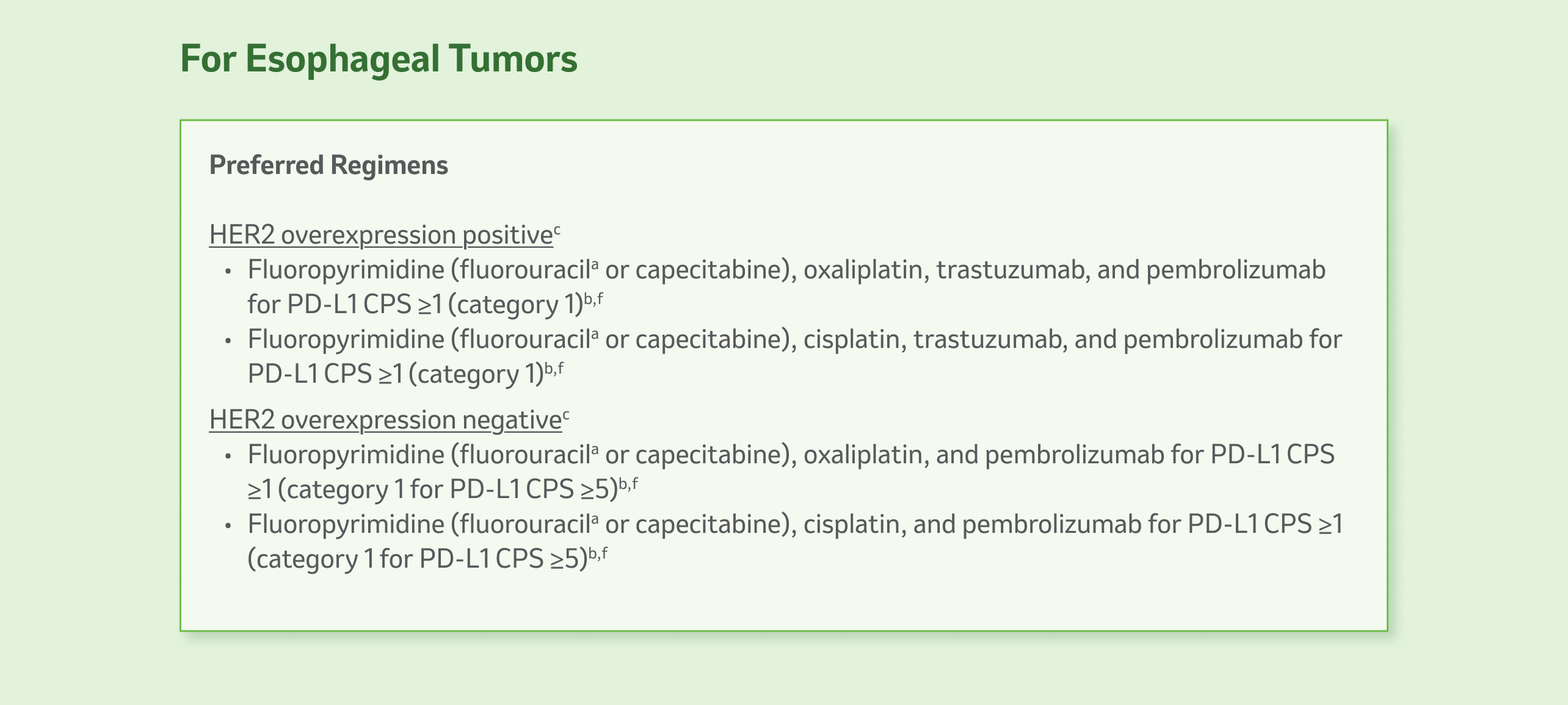
aLeucovorin is indicated with certain fluorouracil-based regimens. Depending on availability, these regimens may be used with or without leucovorin. For important information regarding the leucovorin shortage, please see the Discussion.
bNCCN Guidelines for the Management of Immune Checkpoint Inhibitor-Related Toxicities.
cPrinciples of Pathologic Review and Biomarker Testing (ESOPH-B).
fIf no prior checkpoint inhibitor therapy or no tumor progression while on therapy with a checkpoint inhibitor.
5-FU: 5-fluorouracil; BID: twice daily; CAPOX: capecitabine + oxaliplatin; CPS: combined positive score; FLO: 5-FU + leucovorin + oxaliplatin; FOLFOX: 5-FU + leucovorin + oxaliplatin; GI: gastrointestinal; IV: intravenous; mFOLFOX6: modified 5-FU + leucovorin + oxaliplatin; PD-L1: programmed death ligand 1; PO: via oral route; Q2W: every 2 weeks; Q3W: every 3 weeks; Q6W: every 6 weeks.
Gastric
Selected Indications: In combination with trastuzumab, fluoropyrimidine- and platinum-containing chemotherapy, for the first-line treatment of adults with locally advanced unresectable or metastatic HER2-positive gastric or gastroesophageal junction (GEJ) adenocarcinoma whose tumors express PD-L1 (CPS ≥1) as determined by a validated test. In combination with fluoropyrimidine- and platinum-containing chemotherapy, for the first-line treatment of adults with locally advanced unresectable or metastatic HER2-negative gastric or gastroesophageal junction (GEJ) adenocarcinoma whose tumors express PD-L1 (CPS ≥1) as determined by validated test.
Dosage & Administration: KEYTRUDA® is administered 30 minutes intravenous infusion.
Combination Therapy: Adult patients with HER2-negative gastric cancer is 200 mg every 3 weeks or 400 mg every 6 weeks(administer KEYTRUDA® prior to chemotherapy when given on the same day), until disease progression or unacceptable toxicity, or up to 24 months. Adult patients with HER2-positive gastric cancer is 200 mg every 3 weeks or 400 mg every 6 weeks (administer KEYTRUDA® prior to trastuzumab and chemotherapy when given on the same day), until disease progression, unacceptable toxicity,or up to 24 months.
Contraindications: None
Precautions/Warnings: KEYTRUDA® can cause severe and fatal immune-mediated adverse reactions that can occur in any organ system or tissue, such as immune-mediated pneumonitis, immune-mediated colitis, hepatotoxicity and immune-mediated hepatitis,immunemediated nephritis with renal dysfunction, immune-mediated endocrinopathies (such as adrenal insufficiency, hypophysitis, hyperthyroidism, hypothyroidism, thyroiditis & Type 1 diabetes mellitus) & immune-mediated dermatologic adverse reactions. KEYTRUDA® can cause other immune-mediated adverse reactions such as: myocarditis, pericarditis, vasculitis, meningitis,encephalitis, myelitis and demyelination, myasthenic syndrome/myasthenia gravis (including exacerbation), Guillain-Barré syndrome, nerve paresis, autoimmune neuropathy, pancreatitis, to include increases in serum amylase and lipase levels, gastritis, duodenitis, hypoparathyroidism, myositis/polymyositis, rhabdomyolysis (and associated sequelae, including renal failure), arthritis (1.5%), polymyalgia rheumatica, hemolytic anemia, aplastic anemia, hemophagocytic lymphohistiocytosis, systemic inflammatory response syndrome, histiocytic necrotizing lymphadenitis (Kikuchi lymphadenitis), sarcoidosis, immune thrombocytopenic purpura, solid organ transplant rejection, other transplant (including corneal graft) rejection, uveitis, iritis and other ocular inflammatory toxicities can occur. Some cases can be associated with retinal detachment. Various grades of visual impairment, including blindness, can occur. If uveitis occurs in combination with other immune-mediated adverse reactions, consider a Vogt-Koyanagi-Harada-like syndrome, as this may require treatment with systemic steroids to reduce the risk of permanent vision loss. KEYTRUDA® can cause severe or life-threatening infusion-related reactions, including hypersensitivity and anaphylaxis. KEYTRUDA® can cause complications of allogeneic HSCT. Increased mortality in patients with multiple myeloma when KEYTRUDA® is added to a thalidomide analogue and dexamethasone. KEYTRUDA® can cause fetal harm when administered to a pregnant woman.
Adverse Reactions:
Most common adverse reactions (reported in ≥20% of patients) were:
- KEYTRUDA® as a single agent: fatigue, musculoskeletal pain, rash, diarrhea, pyrexia, cough, decreased appetite, pruritus, dyspnea, constipation, pain, abdominal pain, nausea, and hypothyroidism.
- KEYTRUDA® in combination with chemotherapy or chemoradiotherapy: fatigue/asthenia, nausea, constipation, diarrhea, decreased appetite, rash, vomiting, cough, dyspnea, pyrexia, alopecia, peripheral neuropathy, mucosal inflammation, stomatitis, headache, weight loss, abdominal pain, arthralgia, myalgia, insomnia, palmar-plantar erythrodysesthesia, urinary tract infection, hypothyroidism, radiation skin injury, dysphagia, dry mouth, and musculoskeletal pain.
Esophageal
Selected Indications: For the treatment of patients with locally advanced or metastatic esophageal or gastroesophageal junction (GEJ) (tumors with epicenter 1 to 5 centimeters above the GEJ) carcinoma that is not amenable to surgical resection or definitive chemoradiation either: in combination with platinum- and fluoropyrimidine-based chemotherapy for patients whose tumors express PD-L1 (CPS ≥1), or as a single agent after one or more prior lines of systemic therapy for patients with tumors of squamous cell histology that express PD-L1 (CPS ≥10) as determined by a validated test.
Dosage & Administration: KEYTRUDA® is administered 30 minutes intravenous infusion.
Monotherapy: Adult patients with esophageal cancer is 200 mg every 3 weeks or 400 mg every 6 weeks, until disease progression,unacceptable toxicity, or up to 24 months.
Combination Therapy: Adult patients with esophageal cancer is 200 mg every 3 weeks or 400 mg every 6 weeks (administer KEYTRUDA® prior to chemotherapy when given on the same day), until disease progression, unacceptable toxicity, or up to 24 months.
Contraindications: None
Precautions/Warnings: KEYTRUDA® can cause severe and fatal immune-mediated adverse reactions, that can occur in any organ system or tissue, such as immune-mediated pneumonitis, immune-mediated colitis, hepatotoxicity and immune-mediated hepatitis, immune-mediated nephritis with renal dysfunction, immune-mediated endocrinopathies (such as adrenal insufficiency, hypophysitis, hyperthyroidism, hypothyroidism, thyroiditis & type 1 diabetes mellitus) & immune-mediated dermatologic adverse reactions. KEYTRUDA® can cause other immune-mediated adverse reactions such as:myocarditis, pericarditis, vasculitis, meningitis, encephalitis, myelitis and demyelination, myasthenic syndrome/myasthenia gravis (including exacerbation), Guillain-Barré syndrome, nerve paresis, autoimmune neuropathy, pancreatitis, to include increases in serum amylase and lipase levels, gastritis, duodenitis, hypoparathyroidism, myositis/polymyositis,rhabdomyolysis (and associated sequelae, including renal failure), arthritis (1.5%), polymyalgia rheumatica, hemolytic anemia, aplastic anemia, hemophagocytic lymphohistiocytosis, systemic inflammatory response syndrome, histiocytic necrotizing lymphadenitis (Kikuchi lymphadenitis), sarcoidosis, immune thrombocytopenic purpura, solid organ transplant rejection, other transplant (including corneal graft) rejection, uveitis, iritis and other ocular inflammatory toxicities can occur. Some cases can be associated with retinal detachment. Various grades of visual impairment, including blindness, can occur. If uveitis occurs in combination with other immune-mediated adverse reactions, consider a Vogt-Koyanagi-Harada-like syndrome, as this may require treatment with systemic steroids to reduce the risk of permanent vision loss. KEYTRUDA® can cause severe or life-threatening infusion-related reactions, including hypersensitivity and anaphylaxis. KEYTRUDA® can cause complications of Allogeneic HSCT. Increased mortality in patients with multiple myeloma when KEYTRUDA® is added to a thalidomide analogue and dexamethasone. KEYTRUDA® can cause fetal harm when administered to a pregnant woman.
Adverse Reactions:
Most common adverse reactions (reported in ≥20% of patients) were:
- KEYTRUDA® as a single agent: fatigue, musculoskeletal pain, rash, diarrhea, pyrexia, cough, decreased appetite, pruritus, dyspnea, constipation, pain, abdominal pain, nausea, and hypothyroidism.
- EYTRUDA® in combination with chemotherapy or chemoradiotherapy: fatigue/asthenia, nausea, constipation, diarrhea, decreased appetite, rash, vomiting, cough, dyspnea, pyrexia, alopecia, peripheral neuropathy, mucosal inflammation, stomatitis, headache, weight loss, abdominal pain, arthralgia, myalgia, insomnia, palmar-plantar erythrodysesthesia, urinary tract infection, hypothyroidism, radiation skin injury, dysphagia, dry mouth, and musculoskeletal pain.
Biliary Tract Carcinoma
Selected Indications: In combination with gemcitabine and cisplatin, for the treatment of patients with locally advanced unresectable or metastatic biliary tract cancer.
Dosage & Administration: KEYTRUDA® is administered 30 minutes intravenous infusion.
Combination Therapy: Adult patients with BTC is 200 mg every 3 weeks or 400 mg every 6 weeks (administer KEYTRUDA® prior to chemotherapy when given on the same day), until disease progression, unacceptable toxicity, or up to 24 months.
Contraindications: None
Precautions/Warnings: KEYTRUDA® can cause severe and fatal immune-mediated adverse reactions such as immune-mediated pneumonitis, immune-mediated colitis, hepatotoxicity and immune-mediated hepatitis, immune-mediated nephritis with renal dysfunction, immune-mediated endocrinopathies (such as adrenal insufficiency, hypophysitis, hyperthyroidism, hypothyroidism, thyroiditis & type 1 diabetes mellitus) & immune-mediated dermatologic adverse reactions. KEYTRUDA® can cause other immune-mediated adverse reactions such as: myocarditis, pericarditis, vasculitis, meningitis, encephalitis, myelitis and demyelination, myasthenic syndrome/myasthenia gravis (including exacerbation), Guillain-Barré syndrome, nerve paresis, autoimmune neuropathy, pancreatitis, to include increases in serum amylase and lipase levels, gastritis, duodenitis, hypoparathyroidism, myositis/polymyositis, rhabdomyolysis (and associated sequelae, including renal failure), arthritis (1.5%), polymyalgia rheumatica, hemolytic anemia, aplastic anemia, hemophagocytic lymphohistiocytosis, systemic inflammatory response syndrome, histiocytic necrotizing lymphadenitis (Kikuchi lymphadenitis), sarcoidosis, immune thrombocytopenic purpura, solid organ transplant rejection, other transplant (including corneal graft) rejection, uveitis, iritis and other ocular inflammatory toxicities can occur. Some cases can be associated with retinal detachment. Various grades of visual impairment, including blindness, can occur. If uveitis occurs in combination with other immune-mediated adverse reactions, consider a Vogt-Koyanagi-Harada-like syndrome, as this may require treatment with systemic steroids to reduce the risk of permanent vision loss. KEYTRUDA® can cause severe or life-threatening infusion-related reactions, including hypersensitivity and anaphylaxis. KEYTRUDA® can cause complications of Allogeneic HSCT. Increased mortality in patients with multiple myeloma when KEYTRUDA® is added to a thalidomide analogue and
dexamethasone. KEYTRUDA® can cause fetal harm when administered to a pregnant woman.
Adverse Reactions:
Most common adverse reactions (reported in ≥20% of patients) were:
- KEYTRUDA® in combination with chemotherapy or chemoradiotherapy: fatigue/asthenia, nausea, constipation, diarrhea,decreased appetite, rash, vomiting, cough, dyspnea, pyrexia, alopecia, peripheral neuropathy, mucosal inflammation, stomatitis,headache, weight loss, abdominal pain, arthralgia, myalgia, insomnia, palmar-plantar erythrodysesthesia, urinary tract infection,hypothyroidism, radiation skin injury, dysphagia, dry mouth, and musculoskeletal pain.
Colorectal Cancer
Selected Indications: Treatment of patients with unresectable or metastatic microsatellite instability-high (MSI-H) or mismatch repair deficient (dMMR) colorectal cancer (CRC) as determined by a validated test.
Dosage & Administration: KEYTRUDA® is administered 30 minutes intravenous infusion.
Monotherapy: Adult patients with MSI-H or dMMR CRC is 200 mg every 3 weeks or 400 mg every 6 weeks, until disease progression, unacceptable toxicity, or up to 24 months.
Contraindications: None
Precautions/Warnings: KEYTRUDA® can cause severe and fatal immune-mediated adverse reactions such as immune-mediated pneumonitis, immune-mediated colitis, hepatotoxicity and immune-mediated hepatitis, immune-mediated nephritis with renal dysfunction, immune-mediated endocrinopathies (such as adrenal insufficiency, hypophysitis, hyperthyroidism, hypothyroidism, thyroiditis & type 1 diabetes mellitus) & immune-mediated dermatologic adverse reactions. KEYTRUDA® can cause other immune-mediated adverse reactions such as: myocarditis, pericarditis, vasculitis,meningitis, encephalitis, myelitis and demyelination, myasthenic syndrome/myasthenia gravis (including exacerbation), Guillain-Barré syndrome, nerve paresis, autoimmune neuropathy, pancreatitis, to include increases in serum amylase and lipase levels, gastritis, duodenitis, hypoparathyroidism, myositis/polymyositis, rhabdomyolysis (and associated sequelae, including renal failure), arthritis (1.5%), polymyalgia rheumatica, hemolytic anemia, aplastic anemia, hemophagocytic lymphohistiocytosis, systemic inflammatory response syndrome, histiocytic necrotizing lymphadenitis (Kikuchi lymphadenitis), sarcoidosis, immune thrombocytopenic purpura, solid organ transplant rejection, other transplant (including corneal graft) rejection, uveitis, iritis and other ocular inflammatory toxicities can occur. Some cases can be associated with retinal detachment. Various grades of visual impairment, including blindness, can occur. If uveitis occurs in combination with other immune-mediated adverse reactions, consider a Vogt-Koyanagi-Harada-like syndrome, as this may require treatment with systemic steroids to reduce the risk of permanent vision loss. KEYTRUDA® can cause severe or life-threatening infusion-related reactions, including hypersensitivity and anaphylaxis. KEYTRUDA® can cause complications of Allogeneic HSCT. Increased mortality in patients with multiple myeloma when KEYTRUDA® is added to a thalidomide analogue and
dexamethasone. KEYTRUDA® can cause fetal harm when administered to a pregnant woman.
Adverse Reactions:
Most common adverse reactions (reported in ≥20% of patients) were:
- KEYTRUDA® as a single agent: fatigue, musculoskeletal pain, rash, diarrhea, pyrexia, cough, decreased appetite, pruritus, dyspnea, constipation, pain, abdominal pain, nausea, and hypothyroidism.
Please refer to the full prescribing information of KEYTRUDA® for more information.


Lead the way in NSCLC
Dive into KEY results and discover the survival benefits of KEYTRUDA® in both resectable and metastatic
NSCLC.

A new frontier in LA
HNSCC
Discover how KEYTRUDA® in the neoadjuvant setting, and continued as part of an adjuvant regimen, can improve outcomes for your appropriate patients with LA HNSCC.

Unlock treatment possibilities in high-risk LACC
Explore the data from KEYNOTE-A18 supporting KEYTRUDA® as the first anti- PD-1 therapy approved in combination with CRTa for the treatment of FIGO 2014 Stage III–IVA cervical cancer.

Be there for your patients
Support your eligible RCC patients in navigating their treatment journey—help them understand what to expect, manage potential side effects, and stay engaged throughout care.
References:
1. KEYTRUDA®. Prescribing Information. 2. Bray F, Laversanne M, Sung H, et al. Global cancer statistics 2022: GLOBOCAN estimates of incidence and mortality worldwide for 36 cancers in 185 countries. CA Cancer J Clin. 2024;74(3):229-63. 3. Ferlay J, Ervik M, Lam F, et al. Global Cancer Observatory: Cancer Today. Lyon, France: International Agency for Research on Cancer. 2024. Available at: https://gco.iarc.who.int/today. Accessed 23.01.2026. 4. Huang J, Chan SC, Fung YC, et al. Incidence, risk factors, and temporal trends of small intestinal cancer: A global analysis of cancer registries. Gastroenterology. 2023;165(3):600-12. 5. Versteeg SE, Ho VKY, Siesling S, et al. Centralisation of cancer surgery and the impact on patients’ travel burden. Health Policy. 2018;122(9):1028-34. 6. Luijten J, Nieuwenhuijzen GAP, Sosef MN, et al. Impact of nationwide centralization of oesophageal, gastric, and pancreatic surgery on travel distance and experienced burden in the Netherlands. Eur J Surg Oncol. 2022;48(2):348-55. 7. Patel KB, Turner K, Alishahi Tabriz A, et al. Estimated indirect cost savings of using telehealth among nonelderly patients with cancer. JAMA Netw Open. 2023;6(1):e2250211. 8. Referenced with permission from the NCCN Clinical Practice Guidelines in Oncology (NCCN Guidelines®) for Esophageal and Esophagogastric Junction Cancers V.1.2026. © National Comprehensive Cancer Network, Inc. 2025. All rights reserved. To view the most recent and complete version of the guideline, go online to NCCN.org. Accessed 23.01.2026. 9. Referenced with permission from the NCCN Clinical Practice Guidelines in Oncology (NCCN Guidelines®) for Gastric Cancer V.1.2026.© National Comprehensive Cancer Network, Inc. 2025. All rights reserved. To view the most recent and complete version of the guideline, go online to NCCN.org. Accessed 23.01.2026. 10. Obermannová R, Alsina M, Cervantes A, et al. Oesophageal cancer: ESMO Clinical Practice Guideline for diagnosis, treatment and follow-up. Ann Oncol. 2022;33(10):992-1004. 11. Lordick F, Castelo-Branco L, Pentheroudakis G, et al. ESMO Gastric Cancer Living Guideline, v1.4 September 2024. Accessed 23.01.2026. 12. Lordick F, Carneiro F, Cascinu S, et al. Gastric cancer: ESMO Clinical Practice Guideline for diagnosis, treatment and follow-up. Ann Oncol. 2022;33(10):1005-20. 13. HERCEPTIN®. Prescribing information.
AE-KEY-01047 | Expiry date: 30.01.2028