PNEUMOCOCCAL DISEASE BURDEN
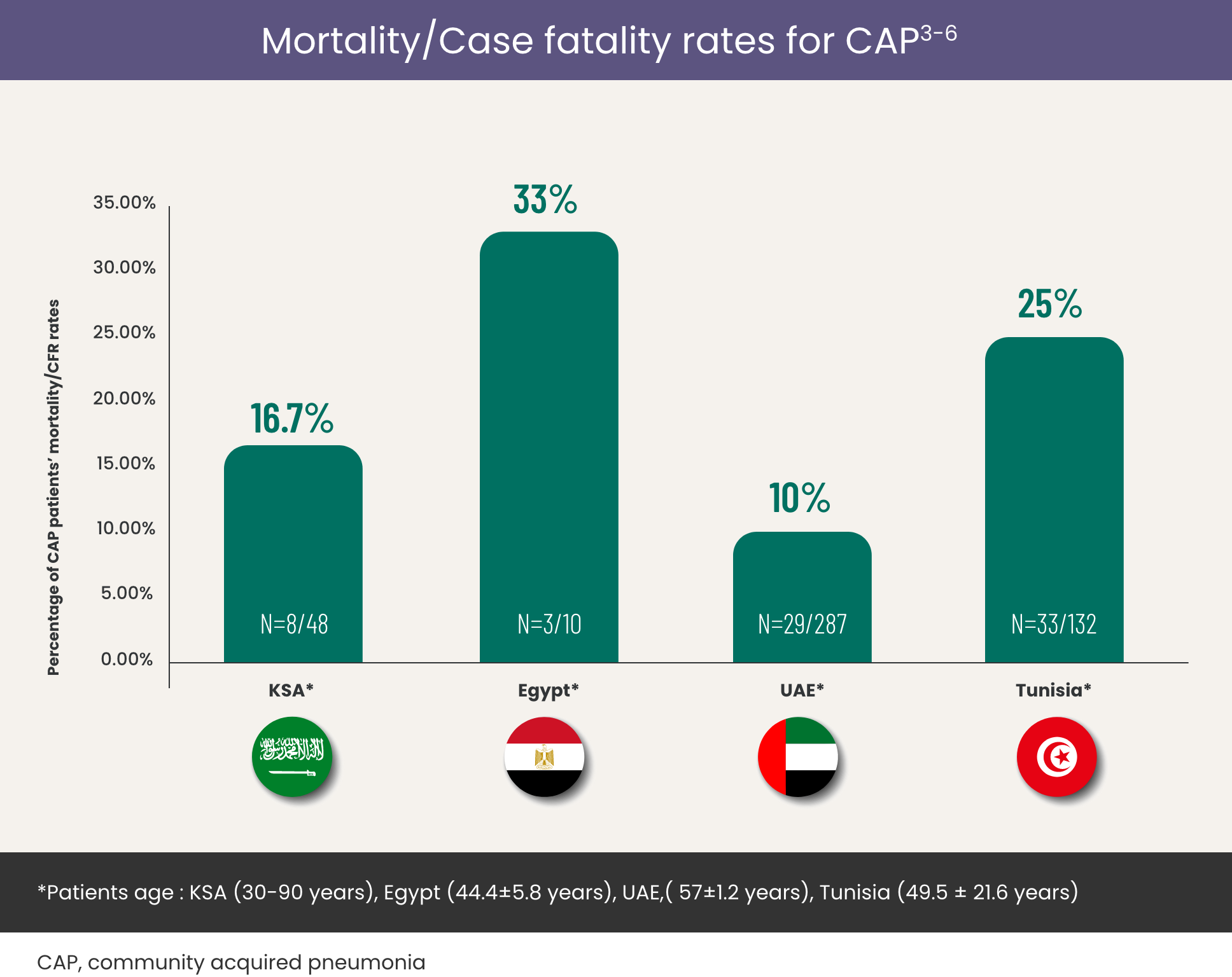
Study Design of AlBarrak, A., et al. (2018)
- A prospective case-series study was conducted in hospitals located in Mecca and Medina, Saudi Arabia.3
- The study period spanned one month, from August 23 to September 23, 2016.3
- The timing of the study allowed for the inclusion of three distinct Hajj-related periods: pre-Hajj: August 23 to September 8, Hajj: September 9 to September 14, and post-Hajj: September 15 to September 23.3
Study Objective
- This study aimed to assess the proportion of hospitalized, X-ray-confirmed community-acquired pneumonia (CAP) cases attributable to Streptococcus pneumoniae among adult Hajj pilgrims in 2016. The evaluation utilized both urine antigen testing and standard culture-based methods to estimate the clinical burden of disease during Hajj and support evidence-based vaccination policy decisions.3
Study Population
- Patients were enrolled from all general hospitals designated to treat Hajj pilgrims, including: Four general hospitals and seven temporary (holy sites) hospitals in Mecca and four general hospitals in Medina.3
- The study population (n= 266) consisted of: Adult pilgrim patients aged ≥18 years diagnosed with X-ray confirmed community-acquired pneumonia (CAP).3
- Patients with known or suspected active tuberculosis (TB; defined as smear-positive after three acid-fast bacilli tests), those <18 years old, non-Hajj pilgrims, and patients who did not consent to participate were excluded from the study.3
Study Design of Elshamly, M. et al. (2016)
- Prospective study that took place in Egypt respiratory care unit of Alhussein, Al-Azhar University Hospital from August 2015 to March 2016.4
Study Objective
- Aim of the study was to evaluate the clinical presentation, bacteriological profile and outcome of severe community acquired pneumonia.4
Study Population
- Patients included (n=54) were subjected to: History taking, clinical examination, plain chest X-Ray (CXR), Chest computed tomography (CT), laboratory Investigations and microbiological evaluation.4
Study Design of Al-Muhairi et al.( 2006)
- A retrospective analysis of inpatients with pneumonia in the UAE (n=361).5 Medical records were retrieved for patients admitted to Tawam Hospital in the UAE between 1997 and 2002.5
Study Objective
- Aim of the study was to determine the demographic, clinical and microbiological profile.5
Study Population
- Medical records of all patients over 16 years of age admitted with a diagnosis of pneumonia to Tawam Hospital were identified from a computerized database using ICD-9-CM codes.5
- A pre-prepared questionnaire was used to collect patients’ details which included: clinical history, vital signs, clinical examination findings on admission and the results of the laboratory investigations.5
- Of 385 admission 15 patient were excluded as their records did not contain sufficient data for analysis. In addition, two patients with a diagnosis of primary lung cancer and seven patients with metastatic lung cancer were also excluded.5
Study Design of Belkhouja, K. et al (2012)
- A retrospective cohort study was carried out in the Hospital Abderrahmen Mami of Ariana, Tunisia between January 1, 1999 and August 31, 2008 (n=273).6
Study Objective
- The aim of this study was to describe the clinical and microbiological features of pneumococcal CAP(community-acquired pneumonia) and to determine its prognostic factors.6
- Outcomes examined included: patients description and characteristics, microbiological investigation, initial antibiotic treatment, complications related CAP, length of stay in ICU, and mortality rate.6
Study Population
- Patients more than 15 years old in whom S.pneumoniae was isolated, were included.6
- All patients with severe immunosuppression (solid organ transplant, current chemotherapy, human immunodeficiency virus (HIV) diagnosis) were excluded.6

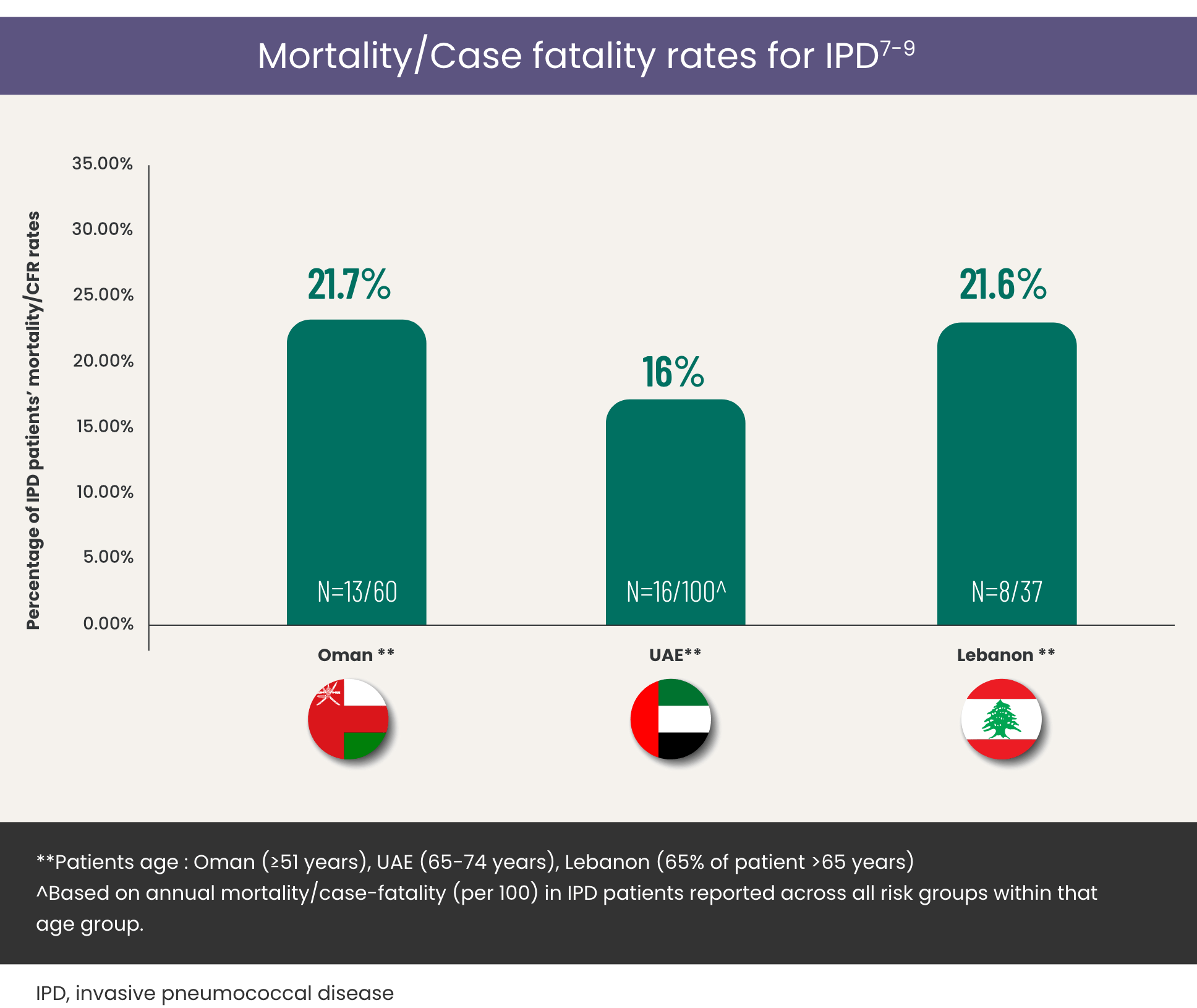
Study Design of Al-Jardani, A. et al (2019)
- This study, part of the national surveillance program, was conducted to aid in the decision-making process for Oman’s national immunization program.7
- From June 2014 to June 2016, 14 regional and tertiary care hospitals form the 11th governorates participated in this laboratory-based surveillance program for IPD (invasive pneumococcal disease).7
- At each center, isolates and epidemiological data were collected.7
- Outcome was defined as : complications, recovery, or death, and case fatality rate was defined as the proportion of patients who died within 30 days of IPD diagnosis.7
Study Objective
- The study analyzed a multicentric national IPD surveillance database with the aim of filling existing epidemiological and clinical gaps and guiding future immunization decisions.7
Study Population
- Patients were stratified into 3 age groups ≤ 5 years, 6 to 50 years and ≥51 years for purpose of analysis.7
- For each patient, relevant demographic data, including age, sex, clinical presentation, and outcome of the infection, were collected and analyzed (n=132 S. pneumoniae isolates; one isolate per patient was included).7
Study Design of Zayed, M., et al. (2023)
- A deterministic model with a Markov-type process was used to depict the clinical outcomes and economic costs associated with alternative strategies for adult pneumococcal vaccination in Dubai over a 5-year period.8
Study Objective
- The study aimed to assess the budgetary impact of implementing PCV20 alone, compared with the current Dubai Health Authority (DHA) pneumococcal vaccination recommendation (PCV13 followed by PPV23), among expatriate residents of Dubai, most of whom are privately insured, following the recent regulatory approval of PCV20 in the UAE.8
Study Population
- The model population (n = 390,536) included expatriates living in Dubai in 2019 who were eligible for pneumococcal vaccination under DHA recommendations.8
- The population comprised all expatriates aged 50 to 99 years, as well as expatriates aged 19 to 49 years with certain underlying conditions.8
- At model entry, the population was stratified by 1-year age increments and risk profile ie, low, moderate (immunocompetent with underlying medical conditions), or high risk (immunocompromised), based on an unpublished analysis using the Dubai Real-World Claims Database.8
- Persons in the model population were eligible to receive PCV20, PCV13 → PPV23, or no vaccine at model entry or subsequently during the modeling horizon (if not vaccinated previously during the modeling horizon).8
- Annual clinical outcomes and economic costs were projected based on age, risk profile, disease/fatality rates, vaccination status, and unit costs of vaccination and medical care.8
- Invasive pneumococcal disease (IPD) included both bacteremia and meningitis, while all-cause nonbacteremic pneumonia (NBP) was stratified by care setting.8
Study Design of Moghnieh, R et al. (2019)
- This was a retrospective medical file review conducted at Makassed General Hospital (MGH), a 186-bed non-governmental tertiary care hospital in Beirut, Lebanon.9
- Hospital case numbers of all inpatients with positive Streptococcus pneumoniae (SP) cultures were retrieved from the logbooks of the medical microbiology laboratory department from January 2006 until December 2015.9
- Clinical and diagnostic criteria for SP infections were adapted from established United States Centers for Disease Control and Prevention (CDC) guidelines and other international guidelines.9
- Clinical outcome of primary SP infection was defined as:
- Favorable/successful: improvement of signs and symptoms.9
- Clinical failure: persistence or deterioration of symptoms/signs requiring a change of antibiotic therapy, or an infection-related death occurring ≥48 hours post-adequate therapy.9
Study Objective
- The aim of the study was to review the clinical and microbiological characteristics of Streptococcus pneumoniae infections among adult inpatients over a 10-year period at a tertiary care center.9
Study Population
- The study included inpatients aged ≥18 years with positive cultures for SP, including both invasive and non-invasive strains.9
- A total of 103 patients with SP-related disease were admitted over a 10-year period.9
References
- European Centre for Disease Prevention and Control. Surveillance Atlas of Infectious Diseases. Invasive pneumococcal disease. Accessed 26 September 2025. https://atlas.ecdc.europa.eu/public/index.aspx.
- Centers for Disease Control and Prevention. (2024). ABCs bact facts interactive data dashboard: SPN serotypes 1998–2023. Accessed 26 September 2025. https://www.cdc.gov/abcs/bact-facts/data-dashboard.html.
- AlBarrak, A., Alotaibi, B., Yassin, Y., et al. (2018). Proportion of adult community-acquired pneumonia cases attributable to Streptococcus pneumoniae among Hajj pilgrims in 2016. Journal of Infection and Public Health, 11(3), 423–429.
- Elshamly, M., Nour, M. O., & Omar, A. M. M. (2016). Clinical presentations and outcome of severe community-acquired pneumonia. Egyptian Journal of Chest Diseases and Tuberculosis, 65, 831–839.
- Al-Muhairi, S., Zoubeidi, T., Ellis, M., Nicholls, M. G., Safa, W., & Joseph, J. (2006). Demographics and microbiological profile of pneumonia in United Arab Emirates. Monaldi Archives for Chest Disease, 65(1), 13–18.
- Belkhouja, K., Ben Romdhane, K., Ghariani, A., et al. (2012). Severe pneumococcal community-acquired pneumonia admitted to medical Tunisian ICU. Journal of Infection and Chemotherapy, 18, 324–331.
- Al-Jardani, A., Al Rashdi, A. A., Al Jaaidi, A.et al. (2019). Serotype distribution and antibiotic resistance among invasive Streptococcus pneumoniae from Oman post 13-valent vaccine introduction. International Journal of Infectious Diseases, 85, 135–140.
- Zayed, M., Joury, J., Farghaly, M., et al.(2023). Budgetary impact of 20-valent pneumococcal conjugate vaccine use for adult expatriates living in Dubai. Current Therapeutic Research, 98, 100698.
- Moghnieh, R., Tamim, H., Awad, L., Abdallah, D., et al (2019). Epidemiology of invasive and non-invasive pneumococcal infections in hospitalised adult patients in a Lebanese medical centre, 2006–2015. Journal of Infection and Public Health, 13(12), 2092–2100.
AE-NON-00601 | Expiry Date: 26/09/2027